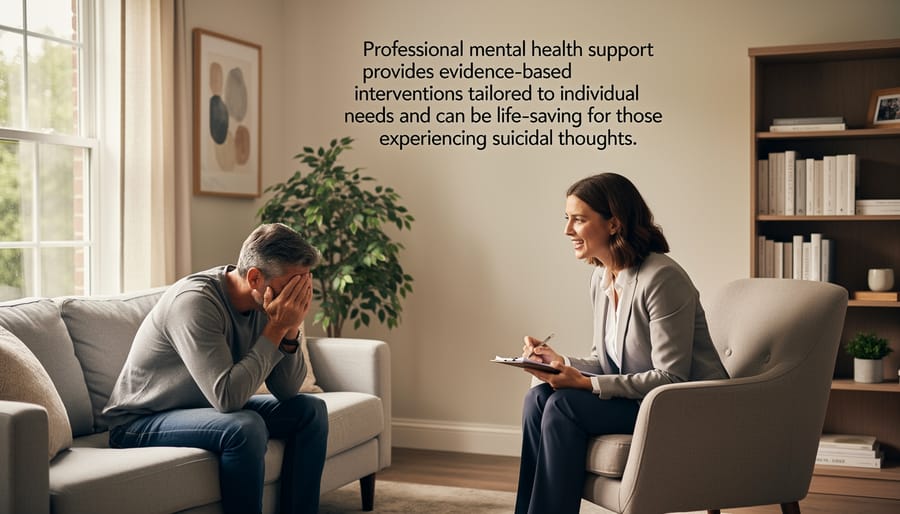
A personal crisis can turn everyday life upside down. A relationship breakdown, unexpected loss, financial hardship, family conflict, or struggle with addiction can leave you feeling anxious, exhausted, and unsure where to turn. While support from friends and family can make a difference, some challenges require professional guidance. Recognizing when to seek mental health support can help prevent emotional distress from becoming more difficult to manage. If your thoughts, feelings, or behaviors are affecting your daily life, counseling may provide the direction and practical tools you need to move forward.
At Restoration Counseling of Athens, the focus is on helping individuals facing difficult life circumstances explore appropriate support and work toward healthier outcomes. Whether you are experiencing emotional distress, struggling with substance use, or dealing with several challenges at once, professional counseling can help you understand your situation and identify realistic next steps.
Why Recognizing the Need for Mental Health Support Matters
Many people delay seeking counseling because they believe they should handle their problems independently. Others worry that their situation is not serious enough to justify professional help.
However, you do not need to reach a breaking point before asking for support. Counseling can be useful when stress begins affecting your relationships, work, health, or ability to manage everyday responsibilities.
The following seven signs may indicate that speaking with a mental health professional could help.
1. Your Emotions Feel Difficult to Manage
Strong emotions are a natural response to challenging experiences. However, persistent sadness, anger, fear, or anxiety can make it difficult to think clearly and make healthy decisions.
When Emotional Distress Becomes Overwhelming
You might find yourself crying more often, becoming irritated over minor problems, or feeling anxious even when there is no immediate threat. Some people experience emotional numbness or struggle to enjoy activities they previously valued.
These experiences deserve attention, particularly when they continue or interfere with daily life.
Counseling provides an opportunity to understand these emotional responses, identify possible underlying concerns, and develop healthier ways to manage difficult feelings. Rather than suppressing emotions, you can learn to recognize them and respond more constructively.
2. Stress Is Affecting Your Sleep, Health, or Daily Routine
Stress does not remain limited to your thoughts. It can affect your physical health, energy levels, concentration, and everyday habits.
Recognizing the Physical Effects of Stress
Common signs of prolonged stress include:
- Difficulty falling asleep or staying asleep.
- Frequent headaches or muscle tension.
- Changes in appetite or eating habits.
- Persistent fatigue or low energy.
- Trouble concentrating or completing routine tasks.
- Increased irritability and restlessness.
When these symptoms persist, it may be helpful to discuss them with a healthcare professional. Counseling can also help you identify stress triggers and establish routines that support emotional and physical well-being.
For example, a counselor may help you break overwhelming responsibilities into smaller tasks, practice relaxation techniques, and establish healthier boundaries.
3. You Are Withdrawing From Friends and Family
When people experience emotional distress, they sometimes isolate themselves. Avoiding conversations may feel easier than explaining what is happening, especially when you are worried about being judged or misunderstood.
How Isolation Can Make a Crisis Harder
Spending time alone occasionally is not necessarily a concern. However, regularly avoiding loved ones, ignoring messages, or withdrawing from activities can reduce access to the support you need.
Isolation may also make depression, anxiety, and substance use concerns more difficult to manage.
Counseling can help you explore why you are withdrawing and identify manageable ways to reconnect with others. You may also learn communication skills that make it easier to explain your needs, establish boundaries, and ask for help.
4. You Are Using Alcohol or Drugs to Cope With Difficult Feelings
One important sign that professional support may be needed is an increasing reliance on alcohol or drugs to manage stress, anxiety, sadness, or emotional pain.
Substances may temporarily change how you feel, but they do not resolve the underlying problems. Over time, substance use can create additional challenges involving relationships, employment, finances, and physical health.
Understanding the Connection Between Addiction and Mental Health
Some individuals develop substance use problems while trying to manage anxiety, depression, trauma-related symptoms, or prolonged stress. Others experience worsening mental health concerns as addiction affects their lives.
This relationship can create a difficult cycle. Emotional distress may increase substance use, while substance-related consequences generate more distress.
Professional addiction counseling can help individuals identify triggers, understand unhealthy coping patterns, and develop strategies that support recovery.
If you are physically dependent on alcohol or certain drugs, seek medical guidance before stopping. Withdrawal can be dangerous and may require supervised medical care.
5. Your Relationships Are Suffering
A personal crisis can affect how you communicate, respond to conflict, and interact with people close to you. Even supportive relationships may become strained when emotional distress remains unaddressed.
When Conflict Becomes a Repeated Pattern
You might notice frequent arguments, difficulty trusting others, emotional withdrawal, or an inability to discuss problems calmly. Addiction can intensify these difficulties, particularly when substance use has affected family responsibilities or personal commitments.
Individual counseling can help you understand your reactions and develop healthier communication habits. Depending on your circumstances, family or relationship counseling may also be worth exploring.
It is important to remember that rebuilding trust takes time. Meaningful progress comes from consistent actions, honest communication, and respect for appropriate boundaries.
6. You Feel Stuck and Cannot See a Way Forward
During a difficult period, it is easy to become focused on everything that has gone wrong. You may repeatedly question past decisions, worry about the future, or feel unable to determine what to do next.
How Counseling Can Help You Find Direction
Feeling stuck does not mean you have failed. It may indicate that you need additional perspective and support.
A counselor can help you separate immediate concerns from longer-term goals. Together, you can identify priorities, examine possible solutions, and create realistic steps toward change.
For example, someone facing financial and family problems may benefit from addressing the most urgent concern first rather than attempting to solve everything simultaneously.
This approach can make progress feel more achievable and help restore a sense of personal direction.
7. Your Usual Coping Strategies Are No Longer Working
You may already have ways of managing stress, such as exercising, talking with friends, taking time alone, or focusing on work. However, during a serious crisis, familiar strategies may no longer provide enough relief.
Recognizing When You Need Additional Support
You might find yourself repeating the same behaviors without seeing improvement. Perhaps you are working longer hours to avoid personal problems, turning to substances for relief, or constantly distracting yourself from difficult emotions.
Counseling can help you evaluate these patterns and develop more effective coping skills.
Instead of relying on short-term relief, you can learn to manage stress, respond to triggers, and make decisions that support your long-term well-being.
Finding the Right Mental Health and Addiction Treatment
Recognizing the need for professional help is an important step. The next decision is determining what kind of support fits your circumstances.
Treatment should consider your emotional health, substance use history, responsibilities, personal goals, and available support system.
Understanding Inpatient and Outpatient Care
Inpatient or residential treatment may be appropriate for individuals who need a structured environment and more intensive support. Depending on the program, treatment may include therapeutic sessions, recovery education, daily routines, and assistance with developing healthier behaviors.
Outpatient counseling allows individuals to receive professional support while continuing to manage work, education, or family responsibilities. Some people benefit from standard outpatient sessions, while others may need a more intensive outpatient program.
A professional assessment can help determine the appropriate level of care. Factors such as symptom severity, withdrawal risks, home environment, and previous treatment experiences should all be considered.
Considering Individualized, Holistic, and Faith Based Support
Every person has different needs and values. Individualized counseling recognizes these differences and allows treatment goals to reflect the challenges each person is facing.
Holistic approaches may also support recovery by addressing physical health, emotional well-being, relationships, and daily habits. Activities such as mindfulness, exercise, relaxation, and healthy routines can complement professional treatment.
For individuals who value spirituality, faith-based support may provide additional encouragement and a sense of purpose. Prayer, reflection, and involvement in a faith community may become meaningful parts of a personal recovery plan.
These approaches should respect individual preferences and complement appropriate clinical care.
Taking the First Step Toward Professional Support
If you recognize several of these signs in your own life, consider speaking with a qualified mental health professional. You do not need to wait until your circumstances become unmanageable.
Start by identifying the concerns affecting you most. Think about changes in your emotions, sleep, relationships, substance use, and daily responsibilities. Sharing these observations during an initial consultation can help a professional understand your situation and discuss possible treatment options.
If you are experiencing an immediate safety concern or thoughts of harming yourself, seek urgent professional assistance or contact local emergency services.
You Do Not Have to Face a Personal Crisis Alone
A personal crisis can make the future seem uncertain, but the right support can help you regain perspective and begin making healthier decisions. Whether you are struggling with anxiety, depression, relationship difficulties, or addiction, professional counseling can provide practical tools and guidance suited to your circumstances.
Restoration Counseling of Athens can be a starting point for exploring support during difficult periods. Reach out to discuss your concerns and learn about counseling and treatment options that may fit your needs.
Asking for help is not a sign of weakness. It is a practical decision that can help you address current challenges, strengthen your coping skills, and build a healthier foundation for the future.